The Career Journey & Professional Philosophy
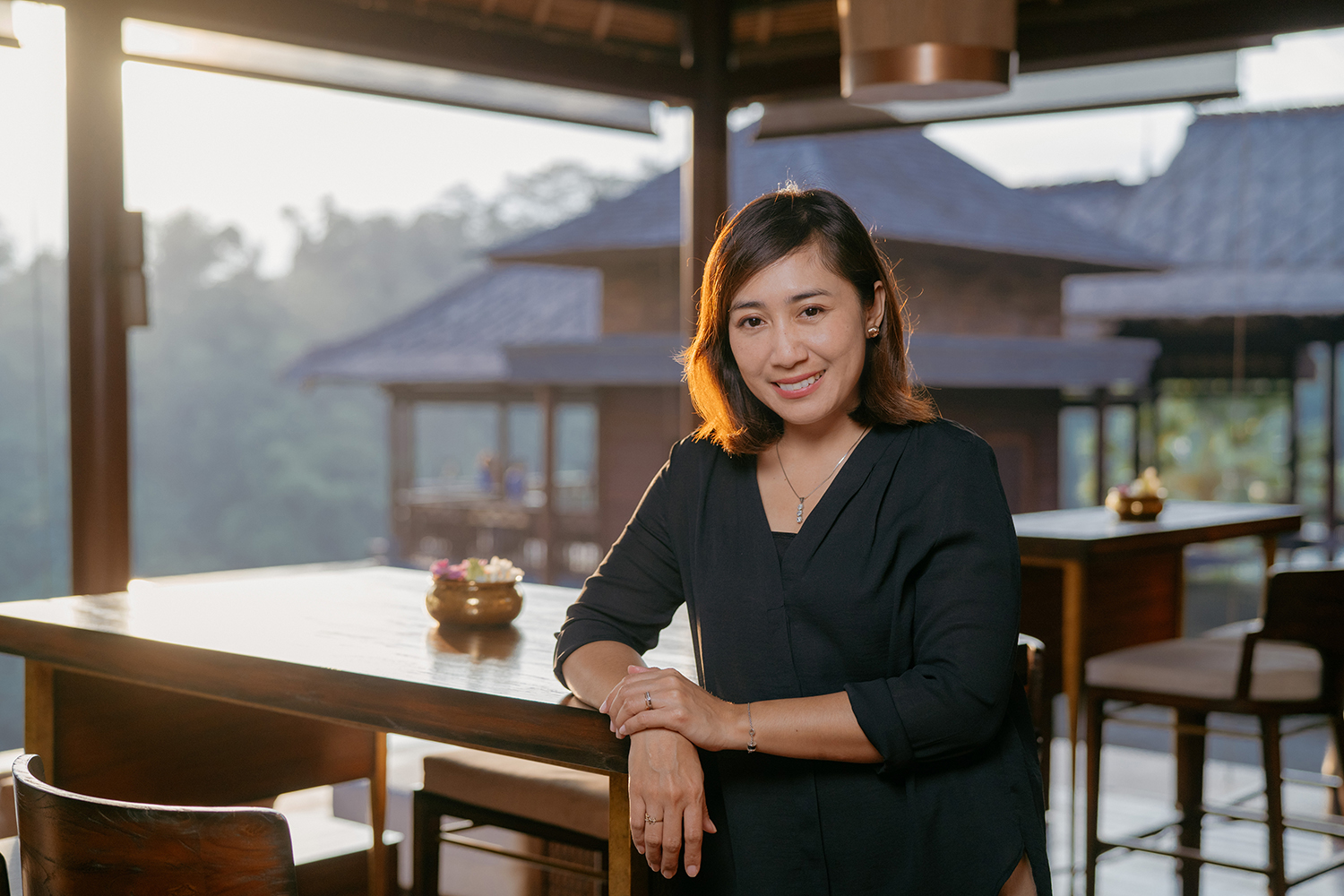
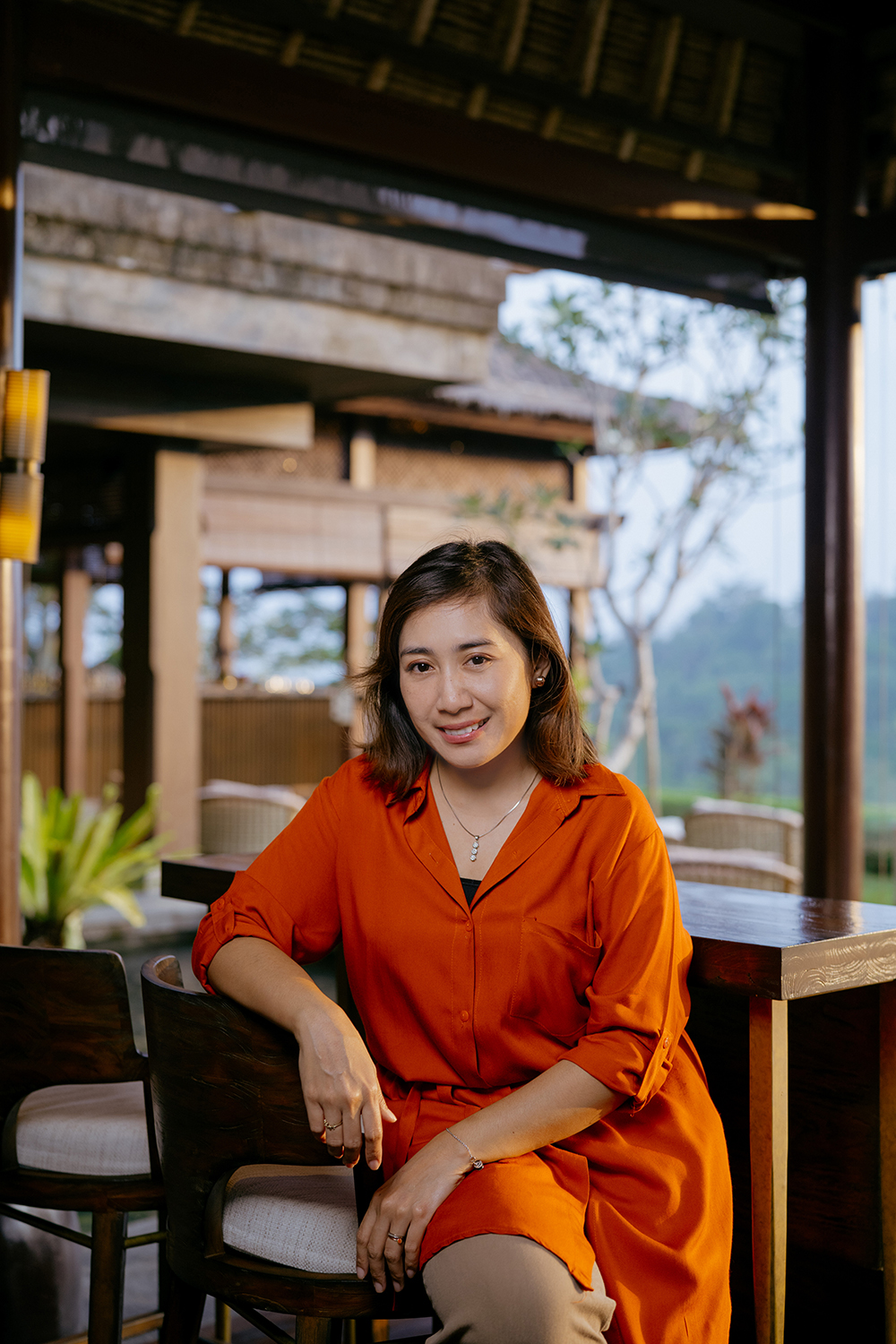
My journey in hospitality began in 2007 when I discovered my passion for weddings and events. Over the years, I transitioned into communications and sales, which allowed me to pursue my enthusiasm for building international networks and strategically cultivating strong teams. I take pride in nurturing talent and guiding individuals in their career paths.
I have worked in diverse settings, gaining experience in a variety of markets both domestically and internationally. My roles have included positions at properties such as the St. Regis Bali in Nusa Dua, Bvlgari Resort Bali in Uluwatu, and Mandapa, a Ritz-Carlton Reserve in the heart of spiritual Ubud.
For over a year, I have served as a hotel manager, leading operational teams at Mandapa, a Ritz-Carlton Reserve. In this role, I have also provided strategic direction to the Sales and Marketing teams.
Can you describe the moment or experience that solidified your desire to pursue a career as a Hotel Manager in the ultra-luxury hospitality sector?
Sales and marketing are the soul of hotel operations. As the lead, I constantly directed the teams, and when the opportunity arose for me to fill the position of hotel manager, I embraced it. Ultra-luxury hospitality revolves around the details and creating a culture of success. Becoming a hotel manager came naturally to me because I am a ‘people person’ who seeks ways to elevate experiences through exceptional products and services.
Beyond day-to-day operations, what core belief or personal philosophy fundamentally guides your decisions as a Hotel Manager?
I strongly believe that people are the most valuable resource and the foundation of The Ritz-Carlton brand. Our employee promise states, “At The Ritz-Carlton, our Ladies and Gentlemen are the most important resource in our service commitment to our guests.” This belief is deeply ingrained in our culture, particularly as Balinese individuals, where we maintain a strong connection to our communities.
I am also passionate about empowering women. At Mandapa, a Ritz-Carlton Reserve, 30% of our associates are women, and we have many inspiring women in executive positions, including a Restaurant Manager, a Director of Human Resources, a Quality Manager, and more. When you take care of your people and guide and nurture them, they will elevate your hotel to the next level.
Who has been the most significant mentor in your career, and what is the single most valuable piece of advice they shared with you?
My current General Manager, Masanori Hosoya, has always been an inspiration to me. His vision and leadership style motivate me greatly. His ingenuity and constant pursuit of improvement have guided me on a path to true success. He believes in the importance of consistency.
In your view, what is the single most important metric or indicator that truly determines the long-term health and success of a luxury hotel property?
I would like to emphasize that the trust our guests place in us is fundamental. We collaborate with independent international certification bodies, including Leading Quality Assurance and Forbes Travel Guide, as well as Green Globe Certification for sustainability, to evaluate our service levels. Ultimately, we believe that happy guests lead to recognition over time. Our primary focus has always been on providing exceptional service through our talented team. Awards, such as the MICHELIN Keys, inclusion in The World’s 50 Best Hotels, and accolades from Tatler and Travel + Leisure, come as a result of this commitment to excellence.
Leadership Style & Team Culture
How would you describe your personal leadership style, and how have you adapted it over the years to suit changing team dynamics and market conditions?
My leadership style focuses on mentorship. I take pleasure in guiding and developing talent to help individuals become more independent. I believe that micromanaging is ineffective; instead, trusting teams and having faith in their abilities empowers them. Since we are in the people business, fostering ideas and creativity within motivated teams leads to greater success and better results.
It is essential to genuinely listen and find individual solutions to motivate team members. Involving everyone, from interns to executives, ensures that we can effectively deliver seamless service and achieve success. This approach has helped me navigate unprecedented times, including the challenges of the pandemic.
What specific strategies do you implement to foster a culture of genuine empathy and proactive service among your diverse hotel staff?
Building a strong culture within a large team, such as one with 300 associates, relies heavily on effective communication. While this may seem simple, it can be quite challenging to ensure that everyone has a shared understanding and vision. Communication can sometimes resemble a game of Chinese whispers, where messages get distorted as they are passed along. To address this challenge, I utilize various methods. These include training sessions conducted by Human Resources, daily departmental meetings like the Lineup, visual aids such as notice boards, and even video materials. Consistent reminders also play a crucial role in reinforcing our messages.
It is essential to listen to and actively engage every employee, as they are crucial in delivering our service philosophy to our guests and partners. The happiness index is important to me because it helps keep the team motivated and aligned towards a common vision.
Recount a time when you faced a significant operational challenge or crisis. How did your leadership approach change during that period, and what was the ultimate lesson learned?
With my background as a Sales and Marketing leader, I have consistently faced crises from all angles. My approach is straightforward: I prioritize transparency and genuine care. In operations, unexpected situations can arise, but if you lead with compassion and communicate strategically, the effectiveness of your efforts can be greater than you might think.
When identifying and nurturing future leaders, what non-negotiable trait do you prioritise over all others?
Success is driven by attitude. A person’s willingness, dedication, and resilience can take them to unimaginable heights; the rest can be taught.
Achievements & Property Vision
What do you consider the greatest achievement of your career to date, and why does it stand out from the rest?
This year has been extraordinary, marked by numerous activities and a significant amount of hard work taking place behind the scenes. Since I assumed leadership of the commercial team in 2022, we’ve begun to see substantial benefits, and this year has exceeded all expectations. In the financial year 2024, we experienced a 25% increase in revenue and a 22% growth in our RevPAR index. We celebrated our highest revenue generation since the resort opened in 2015. Moreover, we were proud to be recognized as the only Three MICHELIN Key Resort in Bali and to make our entry into The World’s 50 Best Hotels for 2025.
If you had to distill the entire mission of this specific hotel property into a single sentence, what would that sentence be?
Create a culture of genuine care to offer authentic, immersive, and rare journeys in mystical, spiritual Ubud, inspiring guests from around the world and fostering a sense of transformation.
What is one distinct element or signature experience at your hotel that you feel perfectly encapsulates your brand and differentiates you from competitors?
Bali’s culture and living traditions are evident in every aspect of Mandapa, a Ritz-Carlton Reserve. From the indigenous Balinese architecture to the exceptional service provided by the Patih, or butler, which draws inspiration from the island’s ancient royal courts, the experience is truly immersive.
One experience that consistently impresses our guests is the visit to Ibu Ketut Mursi, an intuitive blind healer. As an indigenous healer, she specializes in balancing physical, emotional, and energetic well-being using a unique set of skills and techniques. This includes a special herbal oil blend that has been passed down through generations.
How are you integrating sustainability and social responsibility into the core operations and guest experience of your hotel?
Mandapa, a Ritz-Carlton Reserve, aims to safeguard and sustain the natural rainforest in Ubud by bringing together 13 acres of land from various landowners. Since opening, the resort has empowered local communities by spearheading sustainability initiatives and inspiring global visitors through educational and immersive experiences. Sustainability is woven into every element of the guest experience, from architectural designs rooted in biophilic principles to activities that enhance community connections.
The offerings for guests are carefully curated, including tours of local organic coffee plantations and farms that utilize permaculture practices. These experiences financially benefit communities and support the sustainability of these farms, especially amid threats posed by the conversion of agricultural land into villas and guesthouses due to overtourism. Mandapa has transformed its approach to managing food waste by eliminating 95% of its organic waste from landfills through innovative repurposing and collaborations with NGOs, like Scholars of Sustenance, to donate food to those in need.
Mandapa, a Ritz-Carlton Reserve, partners with Sungai Watch, a non-profit dedicated to tackling ocean and river pollution, especially plastic waste. The resort hosts regular river cleanups and invites guests to contribute donations, fostering a sense of community in protecting our waterways. Through simple activities such as temple tours, guests help locals maintain centuries-old heritage sites and support nearby communities.
For our Christmas Tree Lighting ceremony, we invited 19 children from the Yayasan Taman Permata Hati orphanage to perform for our guests. We also took this opportunity to donate much-needed school supplies. We frequently support orphanages and schools through in-kind donations. Additionally, we often invite local villagers to participate in temple ceremonies on our property, and our regular English classes help equip the community with valuable language skills.
We are the protectors at the spiritual core of Ubud, ensuring the preservation of nature and the cultivation of its culture and people.
Operational Challenges & Innovation
What is the most pressing operational challenge you feel in the hospitality industry, and if that had happened in the past – what tangible steps had your hotel taking to mitigate it?
Which emerging technology do you believe will have the most disruptive positive impact on the guest experience in the next five years?
The hospitality industry is centered around people, and this focus will remain essential, especially in the ultra-luxury segment where guests seek personal connections and highly tailored service. Many guests currently prefer to leave their phones in their villas to fully disconnect from the outside world. They often prefer to personally ask local staff for recommendations on hidden gems rather than relying on technology like ChatGPT.
The introduction of AI, personalized mobile technology, and blockchain will coexist with traditional methods and may enhance the overall experience. For instance, guests may opt to communicate with their butlers, referred to as Patihs, via WhatsApp, and this practice will likely improve over time. While the ultra-luxury sector may not experience significant disruptions, we can expect considerable changes in other categories, such as business hotels and budget accommodations.
The intersection of wellness and food & beverage is increasingly important. How do you ensure your F&B and Spa offerings remain relevant and market-leading?
Our three pillars are gastronomy, wellness, and responsible luxury (sustainability). Indonesia is famous for its unique spices, and Ubud, derived from the Sanskrit word “Ubad,” meaning medicinal or healing, reflects the region’s rich array of medicinal flora and fauna.
The gastronomical journey begins upon your arrival, with a welcome herbal drink called Loloh Kecemcem, made from Kecemcem leaves native to Bali. Our cocktails are also inspired by Lontar Taru Pramana, traditional medicinal manuscripts that draw from the local stems, herbs, spices, and vegetables found in Ubud. For instance, the Ubud Prince cocktail, infused with local jackfruit and aromatic ginger, pays homage to the first Prince of Ubud, Tjokorda Gde Agung Sukawati, who enjoyed ginger-based herbal drinks.
Our menus feature fresh ingredients, with our fine-dining zero-waste restaurant, Kubu, crafting dishes from ingredients foraged within a 100-kilometer radius of the resort; the furthest item on our current seasonal menu is organic beef. Meanwhile, Sawah Terrace celebrates authentic Indonesian and Balinese culture by offering freshly prepared sambal, sate, traditional Balinese salads, vegetable dishes, flavorful meats slow-cooked for 48 hours, and a selection of fresh seafood options.
We have recently launched Disconnect to Reconnect, an enhanced wellness program featuring over 23 offerings designed to promote balance and rejuvenation. This program includes options such as Watsu, Gong Bath Therapy, Sleep Therapy, Foraging, and Vipassana, addressing contemporary wellness trends like sleep tourism, digital detox, yoga, meditation, detox programs, and personalized spa experiences. It invites guests to slow down and live in harmony with nature.
Ubud, known as the spiritual heart of Bali, is home to indigenous healers. Guests can experience a purification ceremony with a priest, and we craft spiritual journeys tailored to the unique essence of Ubud, offering a truly transformative experience.
We provide authentic, rare, and uniquely Balinese experiences while crafting bespoke and elevated services for ultra-high-net-worth individuals.
What is the most crucial element in maintaining a productive and unified relationship with the property’s owners or management group?
I believe that communication is key in our close relationship. By collaboratively developing strategies, we can achieve our shared vision. We operate our business based on trust, honesty, respect, integrity, and commitment. As a result, both our owners and Marriott International place their trust and empowerment in us, as the leaders of this beautiful property.
Women In Hospitality Leadership
Ultra-luxury hospitality remains a demanding environment—what unique strengths do you believe women bring to leadership roles in this sector?
I believe that women have an exceptional ability to notice and appreciate the finer details in life. An article by the Forbes Business Council reveals that an impressive 80% of travel decisions are made by women, highlighting their deep understanding of preferences, styles, and experiences that resonate with other women.
In leadership positions, women often embody the essence of nurturing, bringing warmth and empathy to their roles. Their approach is characterized by heartfelt compassion and a keen sense of emotional intelligence, allowing them to connect deeply with their team members. This genuine care not only fosters a supportive environment but also inspires those around them to pursue their own aspirations with confidence and enthusiasm.
Have you faced gender-related challenges during your career? If so, how did you navigate them?
How do you balance empathy and authority in a role that requires both emotional intelligence and operational precision?
This is ultimately about respect. I believe in inspiring and educating people so that we can work together to achieve our vision. In my opinion, authoritative leadership has become outdated in the workplace. If people are not inspired over the long term, it will negatively affect the company’s success.
What misconceptions about female leadership in hospitality would you like to challenge?
I believe in the importance of maintaining a work-life balance, which is the delicate line between personal and professional responsibilities. Juggling duties at home and at the workplace can be challenging. For me, achieving this balance requires a clear structure and smart delegation of tasks, especially in the hospitality industry, which operates 24/7. Success in this area also relies on trusting your leadership. This perception is not limited to any specific gender; it applies to everyone.
What advice would you give to young women aspiring to leadership roles in luxury hospitality?
Pursue your dreams without hesitation; the only thing that can hold you back is self-doubt. A woman can achieve anything she desires, whether it’s becoming a general manager, a director of revenue, or an owner of a brand. With determination, passion, and dedication, your possibilities are limitless.
Looking back, is there anything you would have approached differently in your leadership journey?
I have always had a vision that has shaped my chosen path. I enjoy learning from various leaders, understanding their philosophies, and applying those insights to my own leadership style. This approach has led to a successful trajectory for me, and I feel no need to change it. However, I am eager to learn more, not just from my superiors, but also from my subordinates, especially as workplaces increasingly welcome a new generation, Gen Z
I am always open to learning from different cultures, generations, and leadership styles. Diversity has always been an interest of mine.
What legacy do you hope to leave as a female leader in the ultra-luxury hotel sector?
I wish to leave a legacy of kindness and success and to develop as many future leaders as possible, especially women. Every successful career that I help guide will be an achievement for me.