
The Threshold of Tradition: First Impressions and Pedigree


To enter Yamazato Amsterdam is to step across a threshold from the bustling, canal-veined streets of the Dutch capital into a realm of profound serenity. Nestled within the iconic Hotel Okura Amsterdam, this is not merely a restaurant; it is a cultural monument. For over 50 years, Yamazato has served as the global standard-bearer for Kaiseki—the Japanese haute cuisine that elevates seasonal ingredients to a form of spiritual expression.
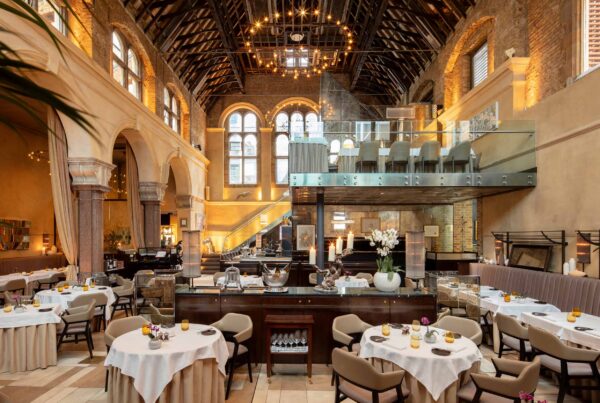
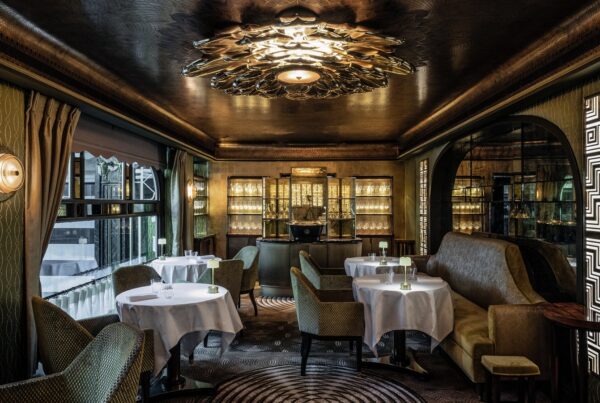
Its history is steeped in prestige. Born from the legendary Okura in Tokyo, the Amsterdam outpost achieved a historic milestone by becoming the first traditional Kaiseki restaurant in the world outside of Japan to be awarded a Michelin Star. Even decades later, it remains a benchmark of excellence. The ambience is a masterclass in Sukiya-style architecture: minimalist, refined, and deeply intentional. Natural wood, soft lighting, and a breathtaking view of the traditional Japanese garden create an atmosphere where time seems to decelerate. The quiet rustle of kimonos as the staff move with practiced grace sets the stage for what is less a dinner and more a ritual of hospitality.
The Icho Kaiseki: A Narrative of Culinary Finesse
The Icho Kaiseki menu is the pinnacle of this experience—a multi-course journey designed to honour the micro-seasons. Each dish is an individual masterpiece, but when paired with the expert selections of the Sommelier, the experience evolves into a complex dialogue between East and West.
The evening commenced with the Shunsai, featuring Kotohogizakana. In Japanese tradition, this “celebratory fish” represents a wish for good fortune, and the presentation was nothing short of poetic. Small, intricate bites were arranged like a miniature landscape, showcasing the kitchen’s ability to balance textures. The Sommelier paired this with a crisp, Junmai Ginjo sake, which cut through the delicate richness of the opening morsels, awakening the palate for the journey ahead.


Next came the Mushimono, the steamed course. The Black Cod Saikyo-mushi was a revelation of subtlety. Unlike the more common grilled Saikyo-yaki, the steaming process preserved a remarkable level of moisture within the fish. The sweet, fermented notes of the Saikyo miso infused the cod with a buttery depth that lingered on the tongue. It was a dish of immense restraint, proving that the finest ingredients require little more than perfect technique to shine.
As we transitioned to the Tsukuri, the Yamazato Sashimi Selection with Lobster arrived as a vibrant display of maritime luxury. The lobster was the undeniable star—translucent, firm, and possessing a natural sweetness that was heightened by the freshly grated wasabi. To find seafood of this calibre in the heart of Europe is a testament to the Okura’s uncompromising supply chain. The Sommelier’s choice of a mineral-heavy Chablis provided a stunning counterpoint to the iodine-rich lobster, creating a harmony that felt both modern and timeless.
The Yakimono (grilled course) featured Hamachi Yuan-yaki. The Yellowtail had been marinated in a blend of soy, mirin, and citrus before being kissed by the flame. The result was a skin that shattered delicately under the fork, revealing succulent, fatty flesh beneath. The citrus notes in the marinade provided a bright acidity that prevented the richness of the Hamachi from becoming overwhelming. It was a masterclass in the Japanese art of the grill—simultaneously rustic and refined.


However, the Shiizakana—the main dish that anchors the Kaiseki—was the true pièce de résistance. The Japanese Wagyu Steak was served with an almost reverent simplicity. Each slice boasted the intricate, snowflake-like marbling that defines top-tier Wagyu. As it touched the palate, the fat rendered instantly, coating the mouth in a savoury, umami-rich silk. Accompanied by a bold Red Wine pairing, the tannins of the grape worked in tandem with the intensity of the beef, creating a crescendo of flavour that was truly unforgettable.
The meal then moved toward its graceful conclusion with the Shokuji. A curated Sushi Assortment of five pieces served as a final reminder of Yamazato’s mastery of the basics. The rice was at the perfect body temperature, seasoned with a gentle vinegar balance that allowed the toppings to sing. Paired with a comforting Miso Soup and traditional Japanese Pickles, this course provided a grounding, earthy contrast to the opulence of the Wagyu, signaling the end of the savoury chapters.
Finally, the Mizumono offered a selection of seasonal Japanese desserts. Far from the heavy confections of Western dining, these were light, fruit-forward, and palate-cleansing. A delicate matcha-infused mousse and seasonal fruits provided a refreshing coda to a meal that had spanned the full spectrum of culinary emotion.
Stefano's Verdict
Yamazato Amsterdam is more than a restaurant; it is a sanctuary for those who appreciate the intersection of heritage and precision. The Icho Kaiseki is a profound reminder of why this establishment has maintained its Michelin status for so long. It is not just the food—which is, quite frankly, peerless in its category—but the Omotenashi (selfless hospitality) that defines the experience.
The Sommelier’s pairing was indispensable, bridging the gap between traditional Japanese flavours and a global cellar with effortless sophistication. While many modern restaurants chase trends, Yamazato remains steadfast in its commitment to century-old techniques, proving that true excellence never goes out of fashion. For anyone seeking the definitive Kaiseki experience in Europe, Yamazato is not just a recommendation; it is an essential pilgrimage. It is a rare privilege to dine in a place that so successfully captures the soul of Japan while overlooking the gardens of Amsterdam. A truly iconic experience.
View this post on Instagram